What to check before booking an evening desert safari in Dubai
Booking an evening desert safari dubai can be simple, but the details matter. A desert outing is built around timing, transport, comfort, safety and the mix of activities included. If one of those pieces is unclear before payment, the whole experience can feel uneven later. The best approach is to read the offer carefully, compare it with what you actually want, and ask for clarity where the wording feels vague.
Start with the shape of the trip. Evening tours are usually planned around the low afternoon light, a drive into the desert, a stop for photos, and a return after dark. Some focus on dune bashing, some include camel riding, and others place more weight on dinner and entertainment. None of these is automatically better. The right choice depends on whether you want a lively group outing, a quieter family-friendly evening, or a trip built around photography and desert scenery.
What the booking actually includes
Read the inclusions as separate parts rather than as one attractive phrase. A listing may mention a sunset stop, a short drive, dinner, shows and a few activities, yet the time given to each part can vary widely. If the desert drive is the main reason for booking, check whether it is described as a core part of the tour or just a brief stop. If the meal matters most, look for what kind of dinner is stated and whether drinks are included or paid separately.
Pay close attention to the activity list. Terms such as dune bashing, sandboarding, camel riding, henna painting and a belly dance show describe very different parts of the evening. Some are group activities, some depend on conditions, and some may only be available for a limited period during the stop. A short sentence in an offer can sound generous, but it helps to know whether each item is guaranteed or simply offered when conditions allow.
Also check whether quad biking is part of the same booking or treated as an extra at the desert camp. This distinction matters for both planning and budgeting. If you expect to ride as soon as you arrive and find it is arranged separately, the schedule may feel rushed. If you have children or older relatives with you, it is worth checking age rules and whether there are quieter areas away from the busier activity zones.

Timing, pickup and the shape of the drive
Evening plans in the desert depend heavily on timing. Look for the pickup window rather than a single pickup time, as road conditions and group movement can affect the start. A window gives you a clearer idea of when to be ready. Check where pickup is available and whether the meeting point is direct or needs you to reach a central location first. That detail can change how easy the evening feels, especially if you are staying outside the main city areas.
The route is another point worth checking. A tour that promises remote dunes may involve a longer transfer, while a closer camp may leave more time for activities but feel less open and quiet. Desert terrain shifts, and drivers often choose routes based on conditions. That means the exact view cannot always be promised in advance. What you can check is whether the operator explains the general plan, the likely stops and how long the drive lasts.
If you are prone to motion sickness, be honest with yourself about dune bashing. It can be a highlight for many visitors, but it is not the same as a calm road transfer. Ask whether there is a gentler route, whether you can opt out, and how much time is spent waiting while others take part. A flexible plan is useful because one person wanting a slower evening should not leave the rest of the group feeling limited.
Comfort from the first hour to the last
Evening desert trips often look warm in photos, but the temperature can drop after sunset. Check whether the camp has covered seating, enough shade before dark, and a comfortable place to sit during dinner. Open-air seating can be pleasant early on and less appealing later in the evening. If you are visiting with children, a seat near the edge of the group may make it easier to move around without disturbing others.
Clothing advice is another useful detail. Light, breathable layers work well before sunset, while a light jacket or shawl can help later. Closed shoes are more practical than loose sandals if you plan to walk on dunes or try activities. Sun protection still matters in the late afternoon, particularly for faces, necks and eyes. Sunglasses and a hat can make the first part of the outing far more comfortable.
Food and drink deserve a careful look, especially for families or anyone with dietary restrictions. Check whether vegetarian options are available, whether the barbecue dinner is buffet style or served, and whether water is provided during the stop. If someone in your group avoids certain ingredients, ask before booking rather than assuming the camp can adapt on the night. The answer may be simple, but it is better to know early.
Safety and suitability before you pay
Safety checks should be practical and calm. Look for clear information about seat belts, suitable vehicle types, and how passengers are briefed before the drive. If the listing places all the emphasis on thrill and very little on procedure, that is worth noting. Dune driving should feel controlled, not careless. Guests should be able to ask questions about the route, stops and activity rules before setting off.
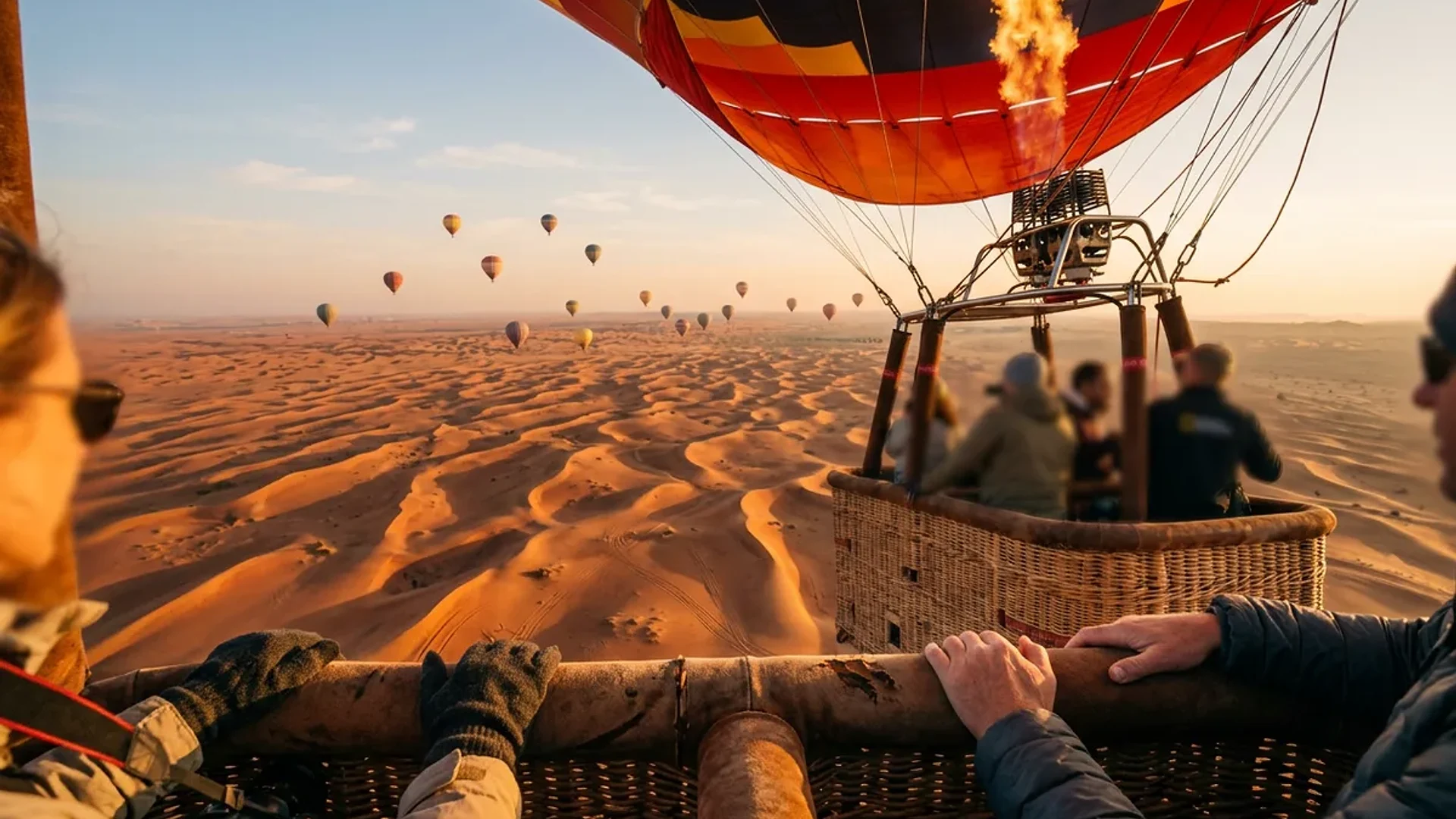
Health and mobility are part of the same conversation. Sand is uneven, camps may have steps or raised platforms, and some seating areas require a short walk from the parking area. Anyone with joint pain, back trouble, pregnancy concerns or limited mobility should check access in advance. This is not about avoiding the trip. It is about knowing where you can sit, how far you may need to walk, and which activities are realistic.
For a clearer comparison, keep a short set of questions beside you while reading different offers. The same wording can hide different experiences, so direct answers are more useful than polished descriptions.
- What time is pickup, and is it a window or a fixed meeting time?
- Which activities are included, and which are optional extras?
- How long is the dune drive, and can it be made gentler if needed?
- What food, drinks and seating are provided after sunset?
- What happens if weather or desert conditions change the plan?
Names can be useful when comparing providers, but they should not replace careful reading. ATV Ride Dubai may appear while you research options, yet the decision still rests on the details of the specific outing you are booking. Check dates, included activities, meeting arrangements and cancellation terms in the same way for every offer. That keeps the comparison fair and makes it easier to spot what actually suits your group.
Group size, mood and the evening schedule
The atmosphere of a desert evening can change with the size of the group. A larger camp may feel lively, with more activity and a fuller programme. A smaller outing may feel calmer and give you more space for photos and conversation. Neither is better by default. Think about what your group enjoys. A birthday group may want music and entertainment, while a couple may prefer a quieter table and a clear view of the sunset.
Ask how the evening is ordered. If dinner is served before the shows, guests can settle in early. If activities come first, you may want a snack before departure. A clear schedule also helps when there are children in the group, because waiting between parts of the programme can feel longer in a desert setting. The phrase evening desert safari dubai covers many versions of the trip, so the running order matters as much as the list of highlights.
Sunset photography is a good example of a small detail that affects the whole plan. If being out on the dunes at the right moment matters to you, check how the stop is positioned in the schedule. A short photo halt near the camp is different from a dedicated stop with time to find an uncluttered angle. Dust, shifting light and other groups can all shape the result, so a little flexibility is sensible.
How to read the fine print without overcomplicating it
Cancellation and change rules are worth reading before payment, even for a short outing. Look at what happens if you change your date, miss the pickup, or need to cancel close to the trip. Desert plans can be affected by weather and local conditions, so it helps to know whether the provider offers a revised date or another arrangement. Clear terms do not remove every problem, but they reduce uncertainty.
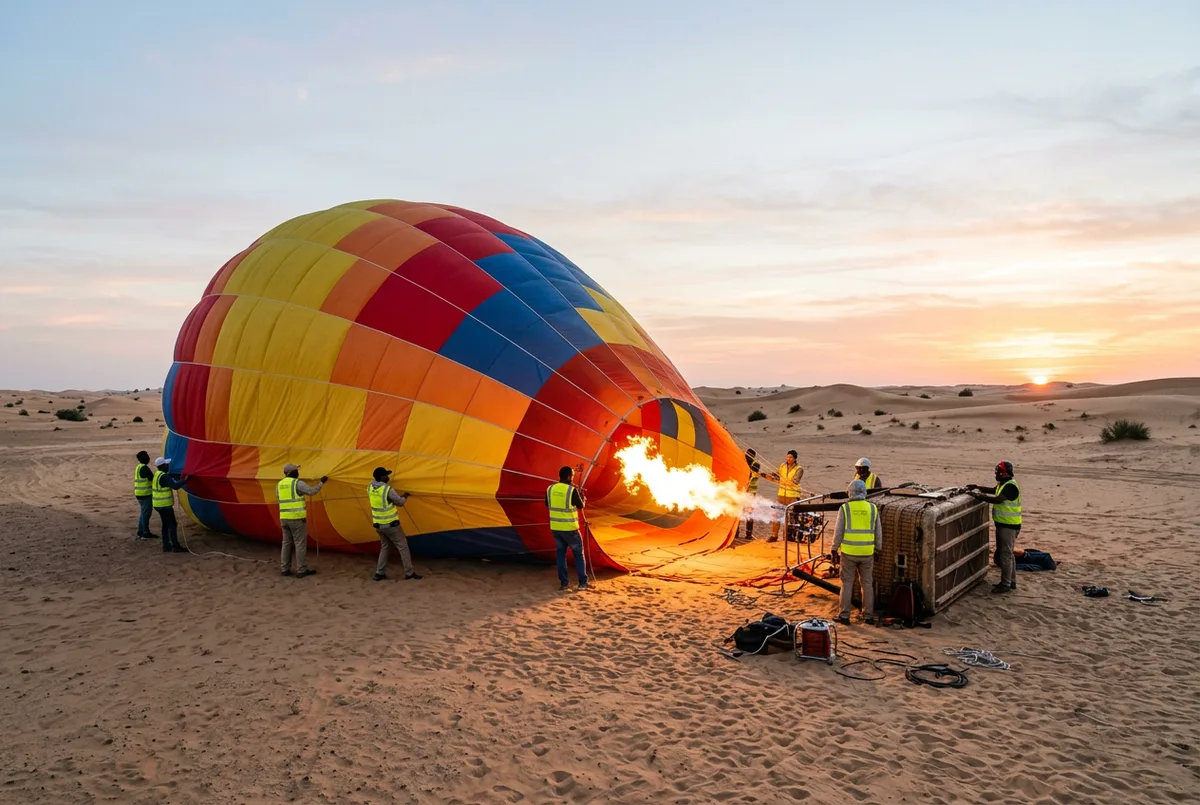
Payment terms should also be clear. Check what is paid at booking and whether anything is collected later. If extras such as quad biking, photos, or additional activities are available at the camp, decide in advance whether you want them. That avoids awkward choices when the evening is already underway. It also helps you compare offers on the same basis instead of focusing only on the headline package.
Finally, consider the small practical details that are easy to forget. Charge your phone before departure, keep valuables close, and carry only what you need for a few hours outdoors. A light bag is easier to manage on sand and during transfers. If you want photos after dark, make sure your camera settings or phone mode are ready before the light fades. These points are simple, but they help the evening run smoothly.
A good booking decision comes from matching the offer to the people going. Check the inclusions, timing, comfort, safety information, food arrangements and change rules, then choose the version that fits your pace. When those basics are clear, an evening in the desert is much easier to enjoy, whether the appeal is the drive, the sunset, the dinner or the chance to try something different.